 Skip to content
Blog
How to Build a Vape Brand Using Social Media Marketing

Apr
Building a vape brand through social media requires navigating strict regulations while building trust through influencer collaborations, user-generated content (UGC), and high-quality visuals. Focus on lifestyle branding, educational content, and leveraging platforms like Instagram for visual appeal, ensuring compliance with legal age restrictions and platform policies.
How to Build a Vape Brand Using Social Media Marketing
You build a vape brand on social media by creating consistent content, engaging a targeted adult audience, and prioritizing community over direct selling. Because paid advertising is heavily restricted across most platforms, growth comes from organic posts, strategic influencer collaborations, and educational or lifestyle content that builds trust before it asks for a sale.
This is the fundamental shift that separates vape brands that grow
from those that stall. The brands that lead their market are not the
ones spending the most on promotion — they are the ones that built
the most trust. For a look at how a compliant UAE vape brand presents
itself online, visit Dubai Vapor Hub.

Why Social Media Is Essential for Vape Brand Growth
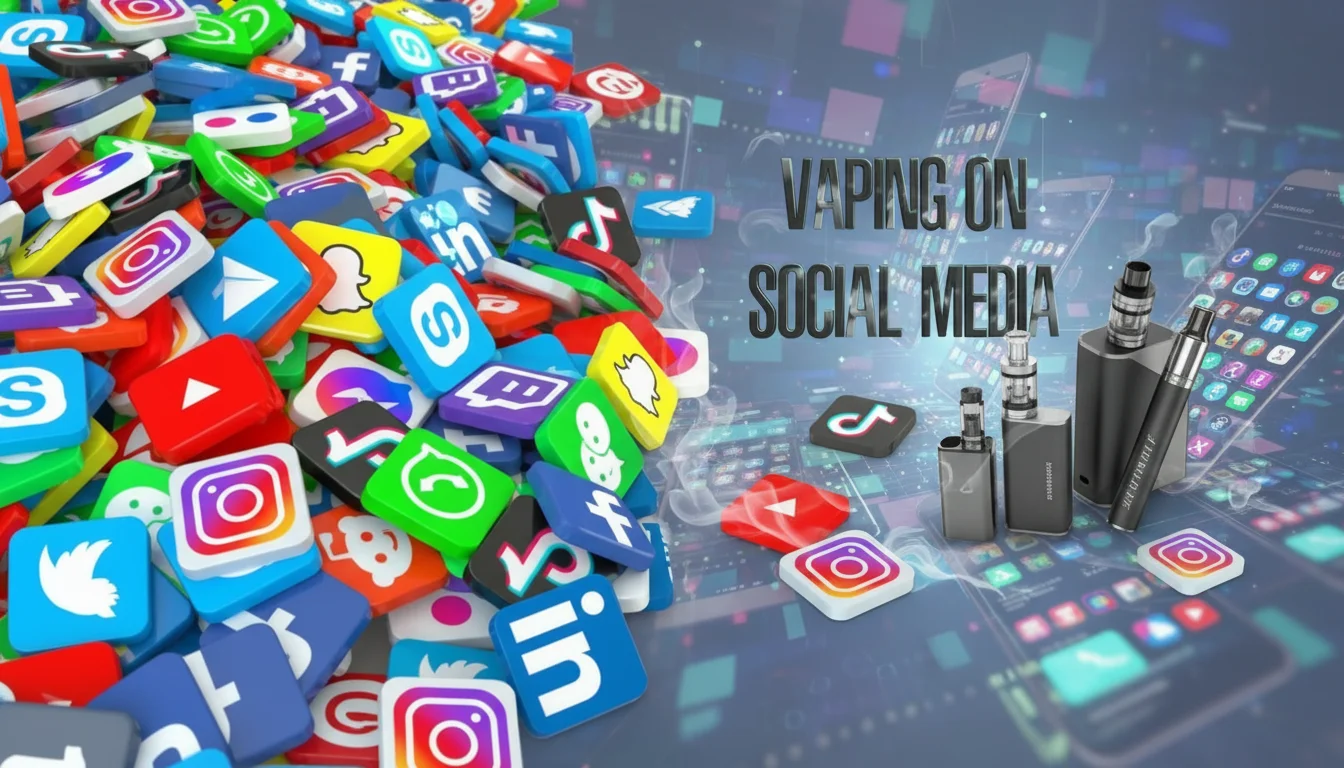
Social media is essential for vape brand growth because it allows brands to directly reach millions of users, build credibility through peer recommendations, and rapidly shape trends in a highly visual industry. With traditional advertising heavily restricted, platforms like Instagram and TikTok serve as the primary space for creating brand identity, community engagement, and driving product discovery.
For vape brands specifically, social media serves three functions
that no other channel can replicate at scale: it builds brand
awareness without ad spend, it creates a community of loyal users
who advocate for the brand organically, and it establishes the
credibility that turns a first-time visitor into a repeat customer.
Which Social Media Platforms Work Best for Vape Brands?
The most effective approach is to focus on two or three platforms
where your target audience is already active, rather than spreading
effort thinly across every channel. Each platform serves a different
function in a vape brand’s social strategy.
Instagram is the strongest platform for vape brand building.
Its visual format suits product photography, lifestyle content, and
short-form video. Reels in particular receive strong organic reach
and are the fastest way to grow a new account. Grid aesthetics
matter here — a consistent visual identity builds brand recognition
faster than any individual post.
Facebook remains valuable primarily for community building
through groups. A branded Facebook group creates a space where
users discuss products, share experiences, and ask questions —
all without the post being flagged as a direct promotion. Groups
generate organic engagement that branded page posts rarely achieve.
X (Twitter) works best for brand voice, industry commentary,
and real-time engagement. It is less visual than Instagram but
highly effective for building a recognizable brand personality
through tone and consistency of opinion.
TikTok offers significant organic reach for short-form video
content but carries the highest compliance risk. Content moderation
is aggressive and accounts can be restricted without warning.
Approach with a clear compliance strategy in place before investing
heavily in the platform.
What Content Should a Vape Brand Post on Social Media?
Vape brands should focus on high-quality visual content, including product photography, lifestyle shots, and educational posts about device usage. Effective strategies include leveraging influencer takeovers, user-generated content (UGC) campaigns with branded hashtags, and hosting interactive live sessions to build community and trust.
An effective vape brand content mix looks like this:
Educational content — nicotine guides, device comparisons,
safety information, and how-to posts. This type of content ranks
well in search, gets saved and shared, and positions the brand as
a knowledgeable authority rather than just a seller. For content
inspiration, explore the
Dubai Vapor Hub blog
to see how educational vaping content is structured for a UAE audience.
Product showcases — clean, well-lit photography and short
video demonstrations that show the product in context rather
than against a plain background. Lifestyle framing performs
significantly better than catalogue-style shots.
Behind-the-scenes content — warehouse operations, product
sourcing, team moments, and packaging processes. This type of
content builds trust by showing the human side of the brand
and is one of the most underused formats in the vaping space.
User-generated content — reposting customer reviews,
unboxing videos, and tagged posts. This is the most credible
form of social proof available and costs nothing to produce.
Trend-based content — short reels, trending audio, and
format participation. Trends extend reach beyond your existing
audience but should only be used when they align naturally with
your brand identity. Chasing every trend regardless of fit
creates inconsistency that erodes brand recognition over time.
How to Use Influencer Marketing for a Vape Brand
Celebrity influencers are not the right fit for most vape brands —
the audiences are too broad, the compliance risk is higher, and the
cost rarely delivers proportional return. Micro-influencers,
typically defined as creators with between 5,000 and 50,000 engaged
followers in a relevant niche, consistently outperform larger
accounts for vape brand partnerships.
Micro-influencers feel authentic to their audience. Their
recommendations read as personal opinions rather than paid
endorsements, which is precisely the quality that builds purchasing
confidence in a category where trust is everything.
The most effective influencer approach for vape brands is to send
products for honest review content — unboxings, first impressions,
and comparative reviews — without scripting the outcome. Audiences
can identify forced endorsements immediately, and inauthentic
content damages both the influencer’s credibility and the brand’s
reputation simultaneously.
When selecting influencer partners, prioritize engagement rate over
follower count, verify that their audience is adult-aged and
relevant to your category, and confirm they are willing to include
appropriate age disclaimers in sponsored content. Influencers can
direct their audience to browse
verified vaping products
rather than unregulated sources — this strengthens both compliance
and credibility.

How to Stay Compliant on Social Media as a Vape Brand
Compliance is not optional — it is the difference between a
growing brand and a terminated account. Vape brand accounts are
reviewed more aggressively than most categories on every major
platform, and violations result in content removal, account
restriction, or permanent bans with no appeal pathway.
The non-negotiable compliance practices for every vape brand
on social media are:
- Include a clear “18+ only” or “adults only” disclaimer in your
bio and on all promotional content - Never use direct sales language in post captions — phrases like
“buy now,” “order today,” or “shop here” in the context of a
vaping product are flagged on most platforms - Avoid targeting language that could be interpreted as appealing
to minors — this includes certain visual styles, color palettes,
and character-based branding - Focus content on education, lifestyle, and community rather
than direct product promotion - Review each platform’s specific community guidelines regularly,
as vaping-related policies are updated frequently - When showcasing devices, always reference proper usage — our
battery safety guide
is a strong example of the kind of responsible content that
builds brand trust and keeps accounts compliant
How Often Should a Vape Brand Post on Social Media?
Inconsistent posting is the second most common reason vape brand
social accounts fail to grow, after poor content quality. Social
media algorithms on every major platform reward consistency —
accounts that post regularly are shown to more people, more often,
regardless of follower count.
A sustainable and effective posting schedule for a vape brand
building organic social presence looks like this:
- Feed posts: 3 to 5 times per week, at consistent times
that align with when your audience is most active - Stories: Daily, using polls, questions, countdowns, and
behind-the-scenes moments to maintain visibility between
feed posts - Reels or short video: 2 to 3 times per week minimum —
short-form video receives the highest organic reach of any
content format on Instagram and Facebook currently - Community engagement: 15 to 30 minutes daily responding
to comments, replying to DMs, and engaging with content in
your niche
The specific numbers matter less than the consistency. A brand
posting three times per week every week will outgrow a brand
posting ten times one week and nothing the next.

How to Convert Social Media Followers into Customers
Social media attention is the first step, not the destination.
Converting followers into customers requires a deliberate strategy
that moves people from passive consumption to active purchasing
intent — without pushing so hard that you damage the trust you
spent months building.
The conversion tactics that work consistently for vape brands are:
Bio link optimization — your profile link should go directly
to a high-converting landing page or your product shop, not your
homepage. Update it regularly to match your current campaign or
featured product.
Limited-time offers — scarcity and urgency work in this
category, but only when used selectively. Constant “limited deals”
lose credibility quickly. Reserve them for genuine restocks,
new product launches, or seasonal moments.
Clear calls to action — every post does not need a CTA,
but posts that are intended to drive traffic should include one.
“Link in bio” remains effective when the destination is relevant
to the content.
Story swipe-ups and link stickers — for accounts with
access to Instagram’s link sticker feature, story-based
product links consistently outperform bio links for direct
conversion. For brands selling disposable products specifically,
linking directly to a
disposables collection
converts significantly better than sending followers to a
general homepage.
Frequently Asked Questions About Vape Brand Social Media Marketing
Can vape brands advertise on social media?
Most major social media platforms including Meta, Google, and
TikTok restrict or prohibit paid advertising for vaping and
nicotine products. Vape brands are largely limited to organic
content strategies, influencer partnerships, and community
building rather than paid campaign-based growth.
Which social media platform is best for a vape brand?
Instagram is generally the most effective platform for vape
brand building due to its visual format, strong Reels reach,
and established vaping community. Facebook groups are valuable
for community engagement, and X (Twitter) works well for brand
voice and industry commentary. TikTok offers high reach but
carries significant compliance risk.
How do vape brands grow on Instagram without paid ads?
Vape brands grow on Instagram organically through consistent
posting of educational and lifestyle content, regular Reels
publishing, community engagement through comments and stories,
micro-influencer collaborations, and user-generated content
reposts. Consistency of posting schedule is as important as
content quality.
What content works best for vape brands on social media?
The highest-performing content types for vape brands are
short-form video (Reels and clips), educational guides on
nicotine levels and device usage, lifestyle photography,
behind-the-scenes content, and user-generated reviews.
Pure product promotion posts consistently underperform
compared to content that provides value first.
How do vape brands avoid getting banned on social media?
Vape brands avoid social media bans by including age
disclaimers on all content, avoiding direct sales language
in captions, focusing on education and lifestyle rather than
direct promotion, never using imagery that could appeal to
minors, and staying current with each platform’s community
guidelines, which are updated regularly.
Do micro-influencers work for vape brand marketing?
Yes. Micro-influencers with between 5,000 and 50,000 engaged
followers in relevant lifestyle or vaping niches consistently
deliver stronger results for vape brands than larger accounts.
Their audiences are more targeted, their recommendations carry
more authenticity, and the compliance risk associated with
the partnership is easier to manage.
How long does it take to build a vape brand on social media?
Building a credible vape brand on social media organically
typically takes six to twelve months of consistent effort
before meaningful growth becomes self-sustaining. Brands that
try to accelerate this timeline through aggressive selling
or shortcuts consistently underperform compared to those
that invest in trust-building content from the start.
Final Thoughts
Building a vape brand on social media is a long game. The brands
that win are not the ones that post the most products or push the
hardest for sales. They are the ones that showed up consistently,
created content worth following, built a community worth belonging
to, and earned trust before they asked for anything in return.
Social media for vape brands is not about advertising. It is about
attention — and attention, earned correctly over time, becomes the
most valuable asset your brand owns. Skip the trust-building stage
and you lose everything that follows. Build it properly and the
sales become a natural result of the community you created.
Start with content. Focus on people. Grow slow, but grow right.
When you are ready to see what a fully compliant UAE vape brand
looks like in practice — from product range to delivery —
Dubai Vapor Hub
delivers across the Emirates with authorised products storewide.
